يصل العديد من المرضى وقد قيل لهم إن البتر أمر لا مفر منه. إليك السبب وراء اختيار عدد متزايد من المرضى الدوليين للرعاية المتخصصة لقرحة القدم السكري في الصين.
فرق متعددة التخصصات
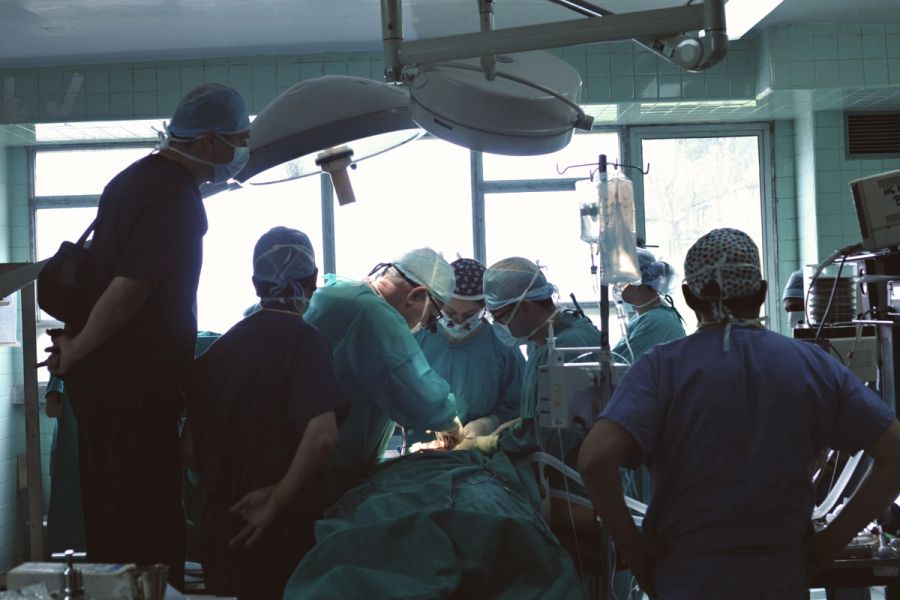
تعمل جراحة الأوعية الدموية، والعناية بالجروح، والغدد الصماء، والجراحة الترميمية على حالتك كفريق واحد منسق — وهو النموذج القياسي في مراكز القدم السكري الصينية، بدلاً من التحويلات بين أقسام منفصلة.
of published studies reported fewer major amputations after a multidisciplinary foot-care team was introduced.
Source: Musuuza et al., Journal of Vascular Surgery, 2020
خبرة عميقة في الحالات المعقدة
تمتلك الصين أكبر عدد من مرضى السكري في العالم، وتعتبر القدم السكري سببًا رئيسيًا للجروح المزمنة في المستشفيات هناك. لذلك، تتعامل الفرق المتخصصة مع عدد كبير من الحالات الشديدة والمعقدة — وتحمل عمق الخبرة الذي يأتي مع ذلك.
140.9Madults with diabetes in China — the most of any country
The scale of the population Chinese diabetic-foot teams treat.
Source: IDF Diabetes Atlas, 10th ed., 2021
الحفاظ على الطرف أولاً
البتر يغير حياة الإنسان. في بعض الأنظمة الصحية، قد يتوقف ما إذا كان الطرف المهدد سيحصل على محاولة إنقاذ على عوامل غير سريرية — مثل مكان إقامتك، ومدى توفر رعاية الأوعية الدموية في منطقتك، والفجوات في الإحالات — وهذا موثق في أبحاث الطب الغربي نفسه. تجعل مراكز القدم السكري في الصين الحفاظ على الطرف هو الخيار الافتراضي: الهدف هو استنفاد كل خيار معقول لإنقاذ القدم قبل التفكير في البتر. أحيانًا يكون البتر هو الخيار الصحيح والضروري — لكنه هنا يعامل كخيار أخير، وليس خيارًا أولًا. إذا قيل لك إن البتر قد يكون لا مفر منه، فقد يكون من المفيد فهم ما هو ممكن قبل اتخاذ أي قرار لا رجعة فيه.
14.5%Before the team (2005)
4.4%After the team
Major-amputation rate at one Chinese specialist center after a multidisciplinary team was introduced. A care-model effect at that center — not a comparison with Western outcomes, and not a promise for any individual.
Source: Sun Yat-sen Memorial Hospital, 2016
تكلفة شفافة وعالية القيمة
عادةً ما تكون تكاليف العلاج أقل بكثير مما هي عليه في الولايات المتحدة وأوروبا الغربية، وستحصل على تقدير مكتوب واضح قبل الالتزام — بدون فواتير مفاجئة. تختلف التوفيرات حسب الحالة.
China
US / W. Europe
Qualitative — not to scale
A qualitative comparison, not to scale: diabetic-foot treatment typically costs far less in China. Actual costs vary by case severity and are not directly comparable across health systems.
Source: Cost studies: Dove Medical Press, 2020 (China); Diabetes Care, 2014 (US)
مستشفيات حكومية عامة من الدرجة الثالثة
تدير الصين رعاية القدم السكري كنظام إحالة متدرج، ويتم إرسال الحالات الأكثر تعقيدًا والتي تهدد الأطراف إلى مراكز قدم متعددة التخصصات ذات مستوى أعلى — وهي عادةً مستشفيات حكومية من الدرجة الثالثة (三甲)، معتمدة من قبل اللجنة الوطنية للصحة. هذه هي الأماكن التي تركز فيها البلاد المتخصصين والمعدات: تحدد المبادئ التوجيهية الوطنية الصينية لعام 2025 إعادة التوعية داخل الأوعية (لفتح الشرايين المسدودة)، والعلاج بالضغط السلبي للجروح، والأكسجين عالي الضغط، وتصوير الأوعية بالرنين المغناطيسي أو المقطعي كمعيار رعاية للقدم السكري الخطير. بمعنى آخر، تم بناء النظام لاستيعاب الحالات الصعبة التي يأتي بها العديد من المرضى الدوليين — ومستشفى واحد في بكين من الدرجة الثالثة، بعد أن جمع فريقًا منسقًا للقدم، خفض مدة الإقامة للمرضى الذين تم الحفاظ على أطرافهم بأكثر من النصف.
86%of China's advanced nuclear-medicine departments are in tertiary hospitals — where the top technology concentrates
84%of outpatient care in China is delivered by public, state-run hospitals
China's tiered guideline routes the hardest diabetic-foot cases up to Grade-A tertiary (三甲) public hospitals. These are national figures — ask us to confirm your specific hospital's tier and equipment before you travel.
Source: Practical Guideline on Diabetic Foot in China, 2025; CSNM survey, J Nucl Med 2025; Commonwealth Fund (China), 2021
مكان آمن وحديث ومرحب للتعافي
التعافي أسهل في مكان يشعرك بالهدوء والرعاية. الصين آمنة بشكل لافت في الحياة اليومية — كثيرًا ما يلاحظ الزوار الدوليون مدى الأمان الذي يشعرون به أثناء التنقل، حتى في الليل. وهي أيضًا حديثة بشكل لافت: أكبر شبكة سكك حديدية فائقة السرعة في العالم، ودفع عبر الهاتف المحمول لكل شيء تقريبًا، ومستشفيات يمكنك فيها الحجز والدفع وقراءة نتائجك من هاتفك — راحة صغيرة تتراكم عندما تكون بعيدًا عن المنزل وفي حالة ليست بأفضل حال. وهي ثقافة تضع قيمة حقيقية على الضيافة والاعتناء بالضيف. لا شيء من هذا يعالج القرحة نفسها — لكنه يجعل الأسابيع المحيطة بالعلاج أقل صعوبة بكثير.
China runs the world's largest high-speed rail network — over 45,000 km — so a specialist center in another city is usually a comfortable few-hour ride away, and a coordinator helps you get there.
Source: National Railway Administration of China, 2024
منسق واحد يتولى كل شيء
ترتيب الرعاية في بلد آخر أمر شاق — لذلك يتولى منسق مخصص ذلك نيابة عنك، من رسالتك الأولى. وهذا يعني تحديد مواعيد المتخصصين دون تعقيدات التأمين، وخطاب دعوة للتأشيرة، وترجمة سجلاتك الطبية، ومترجم طبي في كل زيارة، واستقبال من المطار والمساعدة في العثور على مكان للإقامة بالقرب من المستشفى، والمتابعة مع طبيبك الخاص بعد عودتك إلى المنزل. شركاؤنا من المتخصصين والمستشفيات في بكين — أحد المراكز الطبية الرائدة في الصين. ركز أنت على التحسن؛ ونحن نتولى الخدمات اللوجستية.
Figures cited above are from published sources and describe care models or national context, not guaranteed individual outcomes. Content is being finalized and medically reviewed before launch.