Multidisciplinary care
Advanced DFU Treatments
Nine specialist treatment approaches — five zone-specific surgical interventions mapped to foot anatomy, plus four systemic and complementary therapies. Select any treatment to explore its clinical overview.
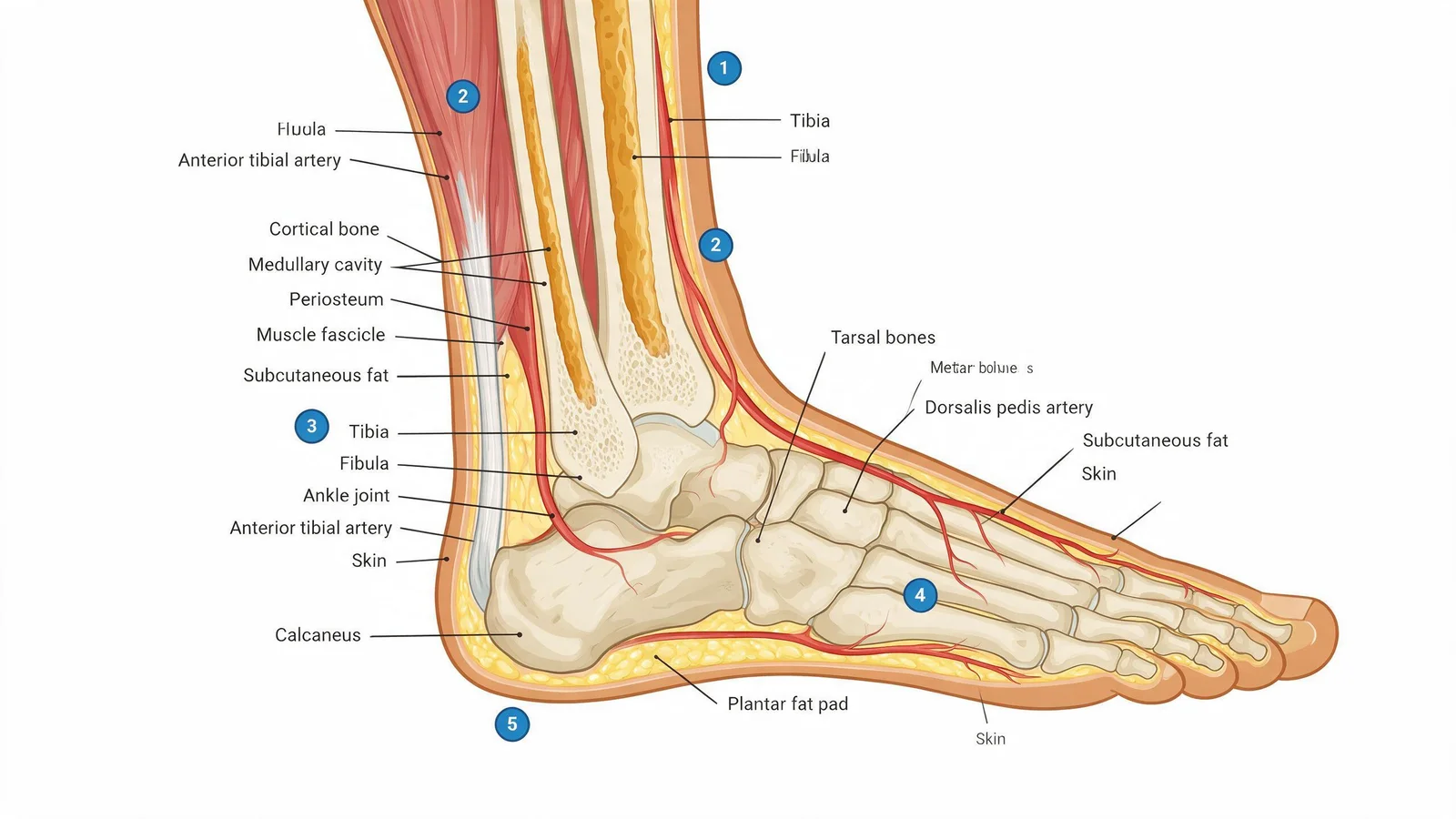
- 1 Tibial Cortex Transposition (TCT) 96% wound healing rate in severe CLI
- 2 Precision Below-Knee Revascularization 85–92% technical success rate
- 3 Advanced Wound Care & NPWTi-d 50% faster infection clearance vs standard care
- 4 Bone Infection & Staged Reconstruction >2× local antibiotic concentration vs intravenous
- 5 Soft-Tissue Reconstruction & Regenerative Closure ≥85% graft take rate in an optimized wound bed
Systemic & complementary therapies
Explore each treatment
Click any card for the full clinical overview, indications, and evidence summary.
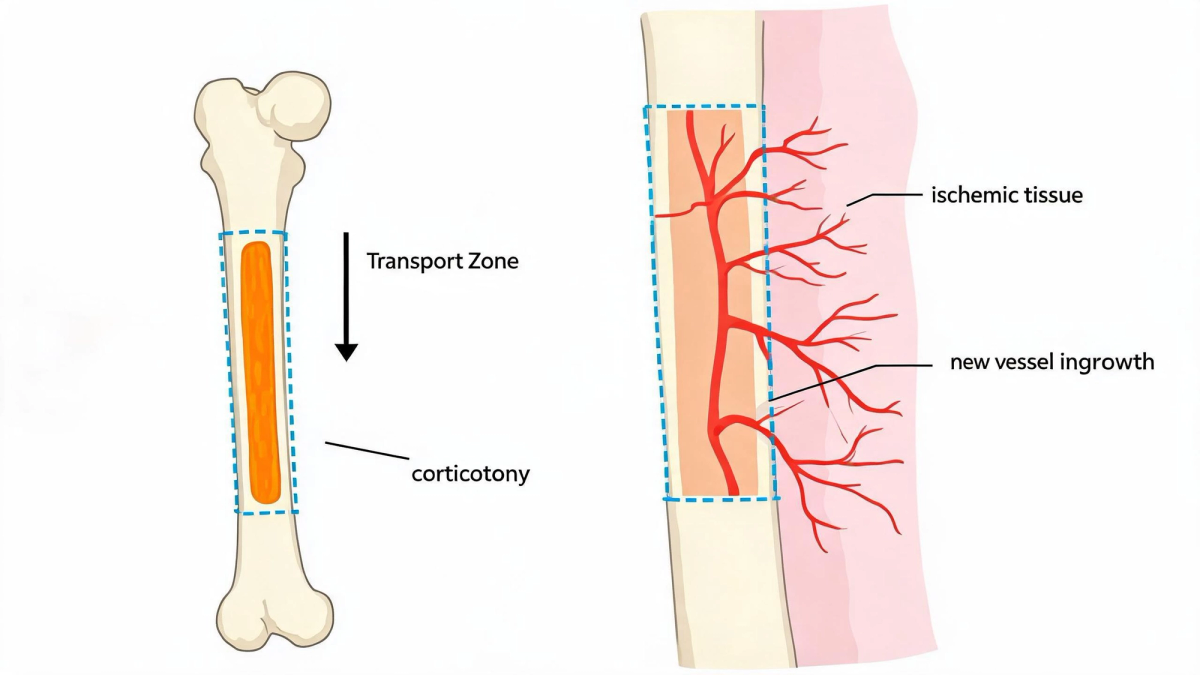
A minimally invasive bone surgery that triggers the body's own angiogenesis — regrowing blood vessels into the foot without grafts, implants, or a revascularizable target.
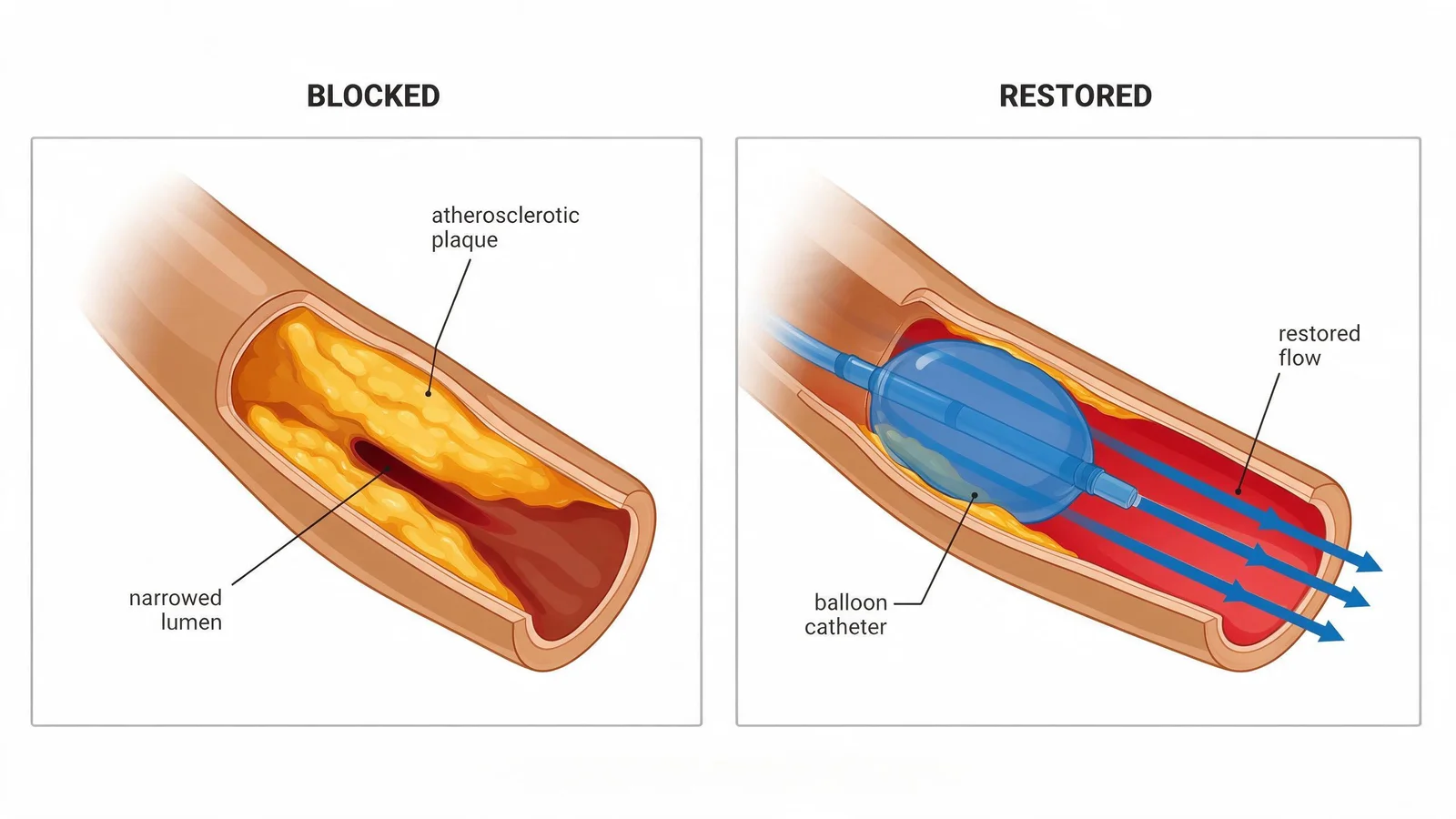
Micro-balloon angioplasty and retrograde pedal-arch access reaching the metatarsal vessels that standard revascularization misses — restoring direct foot-level perfusion.
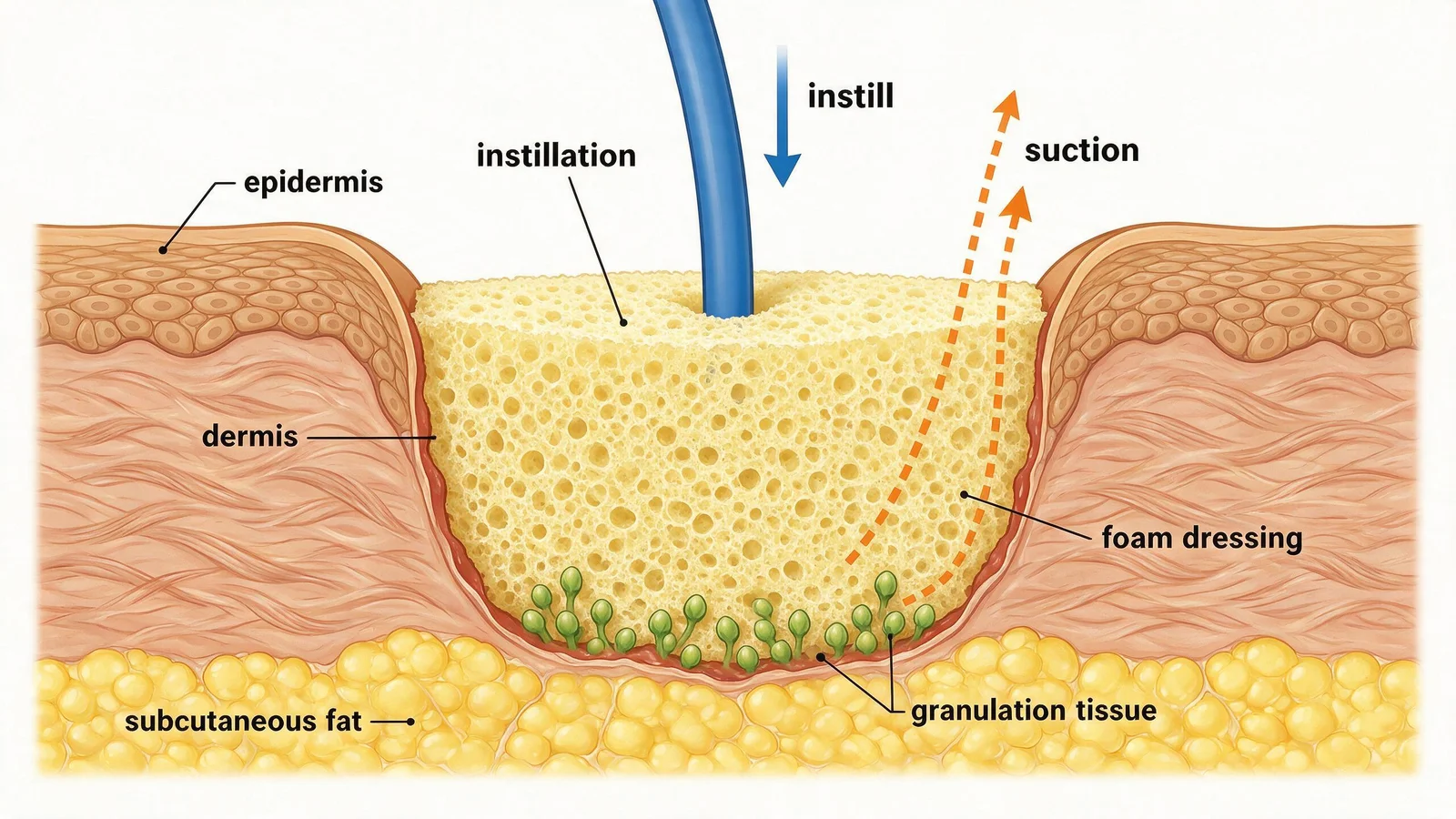
Multimodal serial debridement combined with instillation-mode NPWT — penetrating biofilm, clearing infection 50% faster, and building a healthy granulation bed in days rather than weeks.
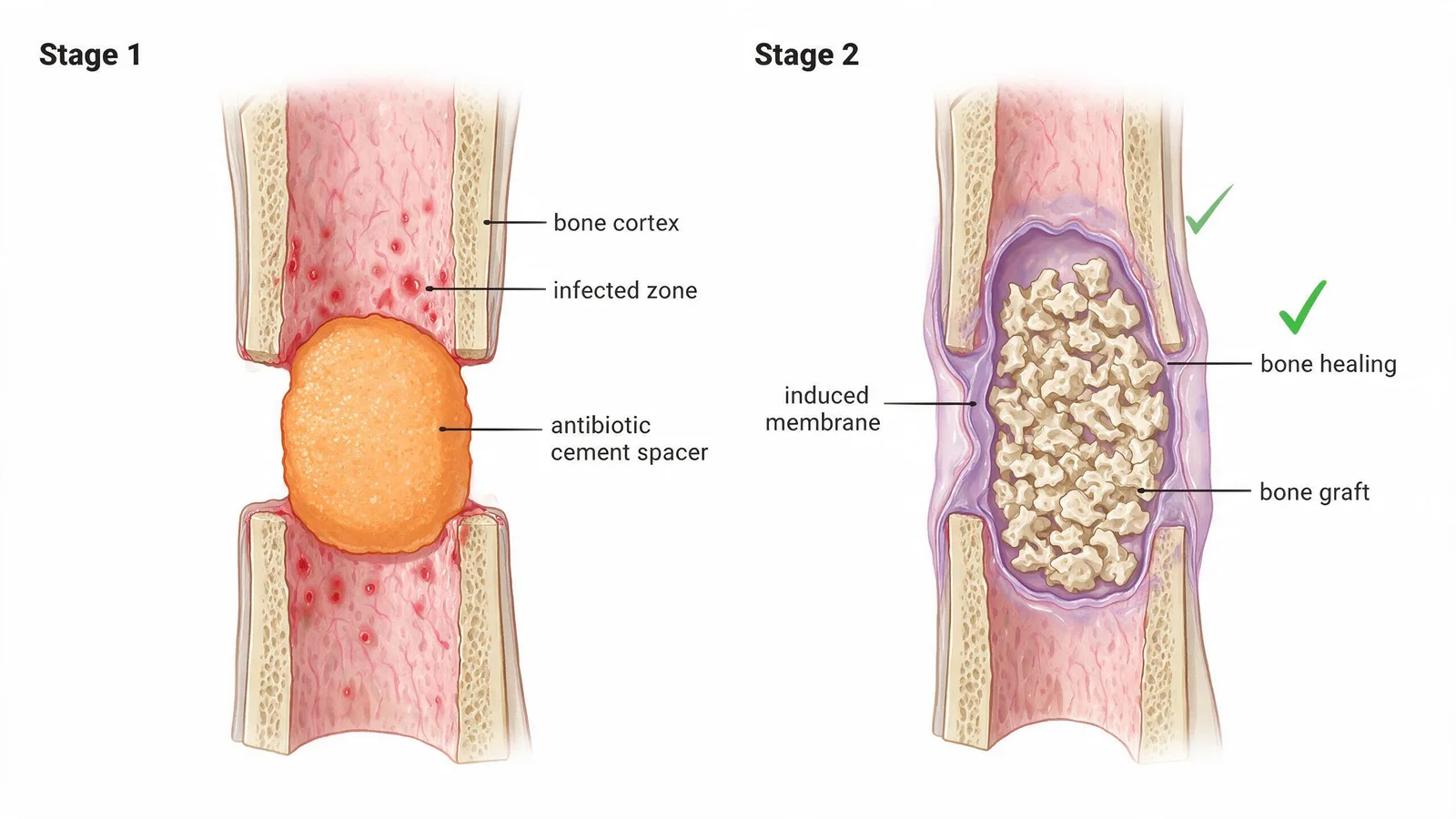
A staged protocol combining culture-directed antibiotic bone cement with the induced-membrane technique — achieving local antibiotic levels that systemic therapy cannot reach, then rebuilding what infection destroyed.
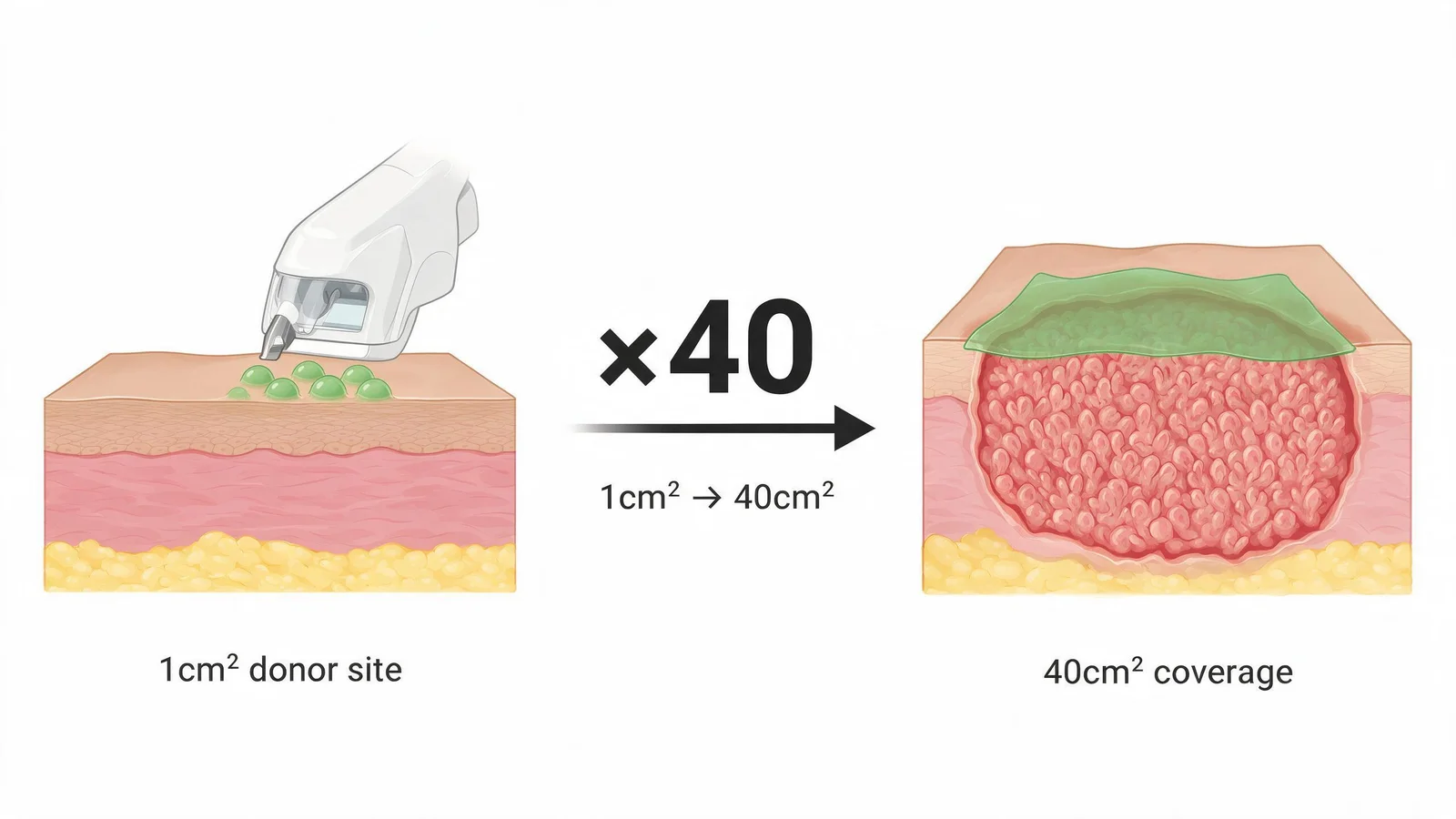
From minimally invasive epidermal cell harvesting to free-flap reconstruction — closing what debridement left open, with techniques matched to each defect and patient.
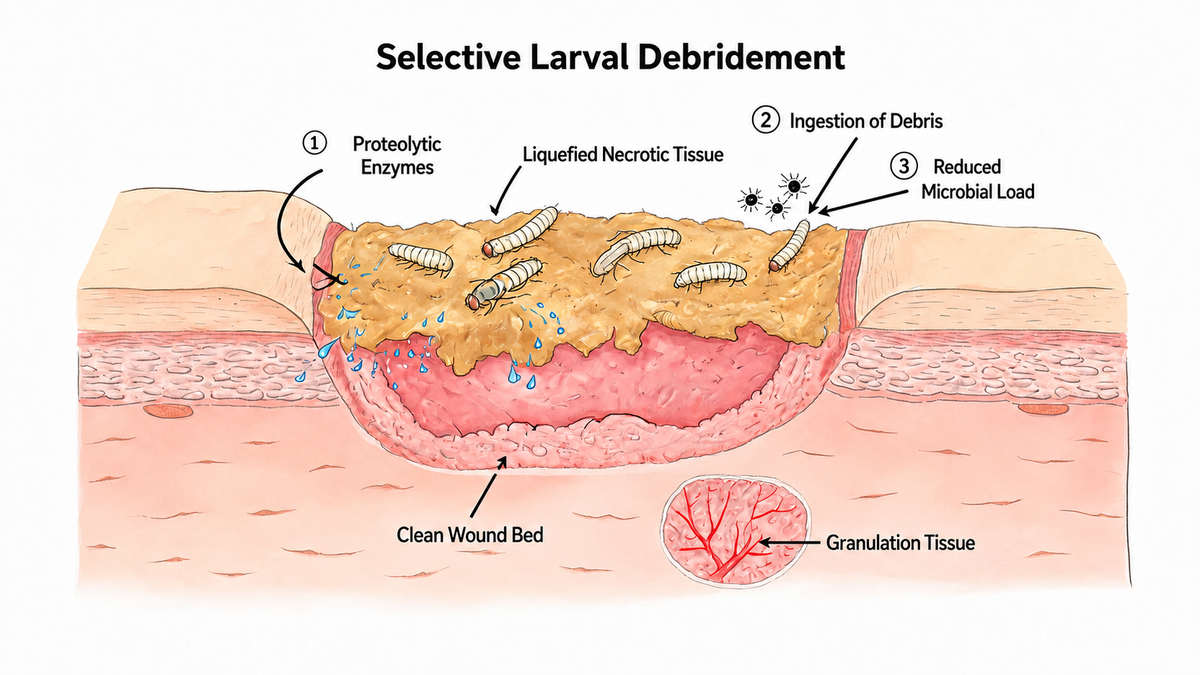
Sterile Lucilia sericata larvae selectively digest necrotic tissue while leaving healthy tissue intact — providing precise enzymatic debridement with antimicrobial secretions that disrupt biofilm no antibiotic can reliably penetrate.
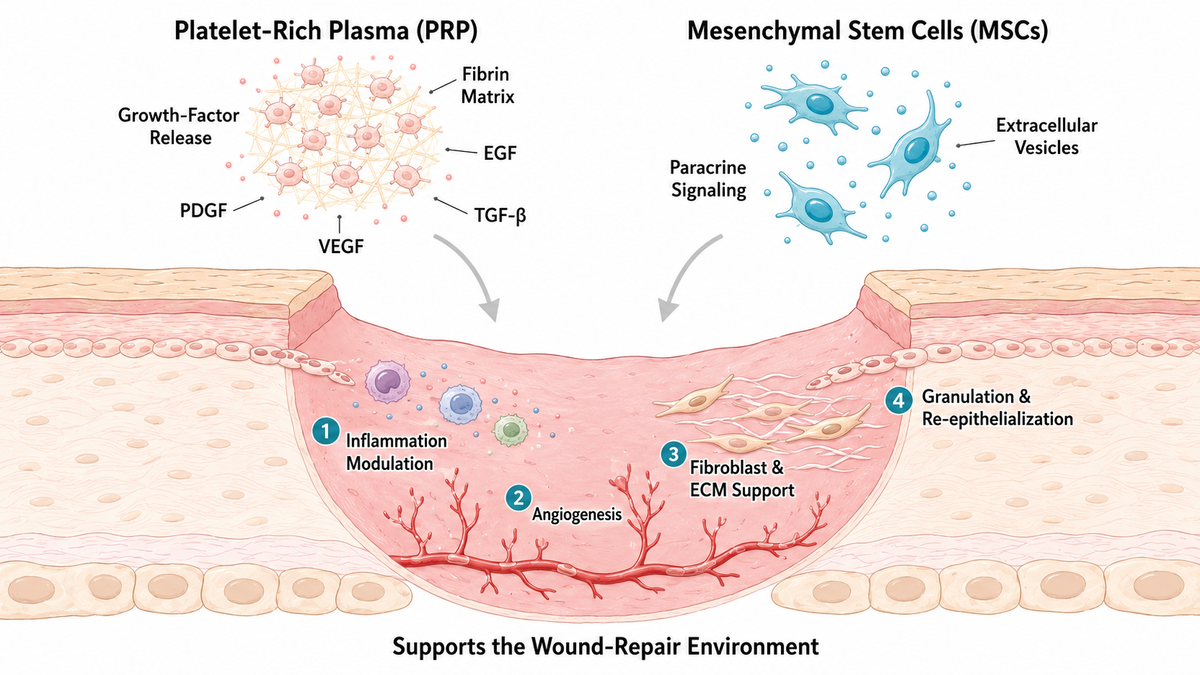
Platelet-rich plasma and autologous mesenchymal stem cells deliver concentrated growth factors directly to stalled wound tissue — accelerating healing in wounds that have exhausted conventional options and giving ischemic tissue the angiogenic signaling it needs.
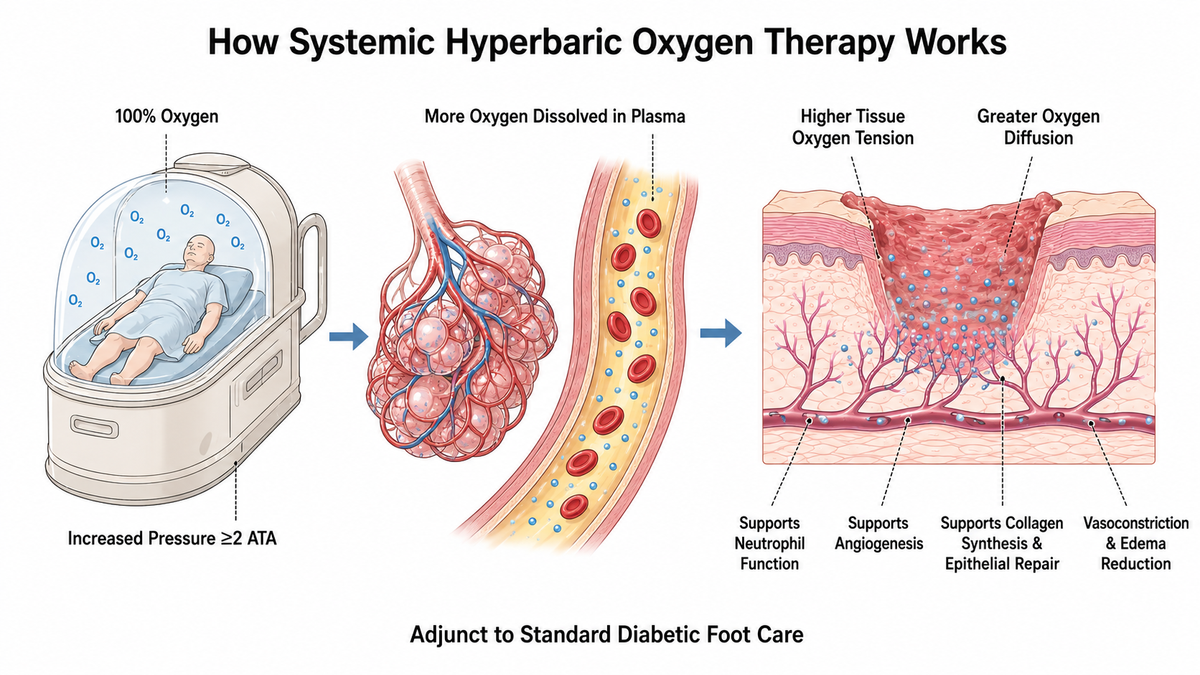
Diabetic foot ulcers fail partly because wound tissue is oxygen-starved. At 2.0–2.4 ATA breathing 100% oxygen, dissolved plasma oxygen reaches ischemic tissue that red cells cannot supply. China's centers run high-capacity multiplace chambers with DFU-specific protocols.
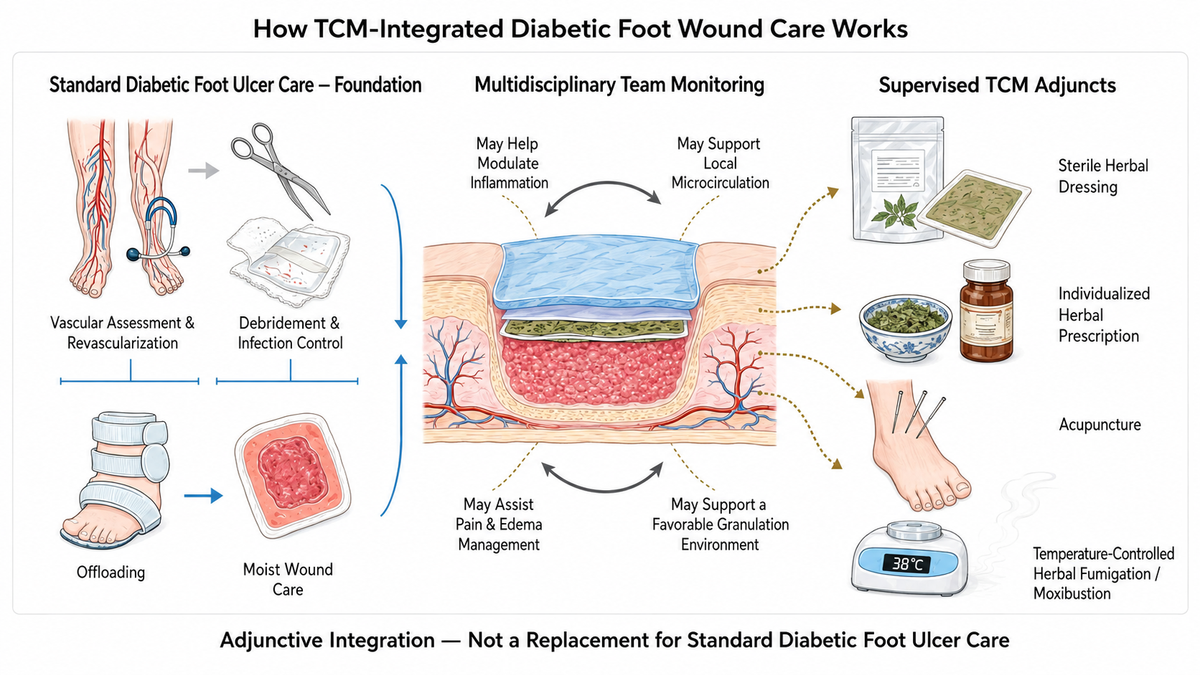
China's specialist DFU hospitals run TCM and Western wound care as parallel treatment streams — dedicated TCM physicians, custom herbal dressings, and acupuncture for circulation alongside modern debridement, vascular intervention, and pharmacotherapy.